As the cost of traditional funerals continues to rise, many families in Toronto are turning to cremation as a more affordable and flexible alternative. Several different cremation options are available to families, and deciding what type of cremation service is required is important.
DFS Memorials offers affordable direct cremation services throughout Toronto and the surrounding GTA.
Direct cremation in Toronto is just $1,480 complete. Call (437) 886-4318 now
The most economical service is known as a “direct cremation,” in which the deceased is taken into the care of a funeral home or cremation provider, all the necessary legal paperwork is completed, and the body is then cremated. There is generally no viewing or service with a direct cremation.
What are the different types of cremation service options and costs in Toronto?
The three main types of cremation choices available to families in Toronto are detailed below. Variations exist around these, such as adding a private family goodbye viewing prior to a simple cremation.
Direct Cremation – a direct cremation involves the immediate cremation of the deceased without a formal funeral service being held. This basic type of cremation service has become popular due to its simplicity and cost-effectiveness.
Direct cremation in Toronto is just $1,480 complete. Call (437) 886-4318 now
Cremation Memorial Service – a cremation memorial typically refers to the cremation taking place prior to a memorial service being held. The memorial service can be held at the funeral home, chapel, church, place of worship, or at any chosen location. Some families today choose to hold memorial services at community venues.
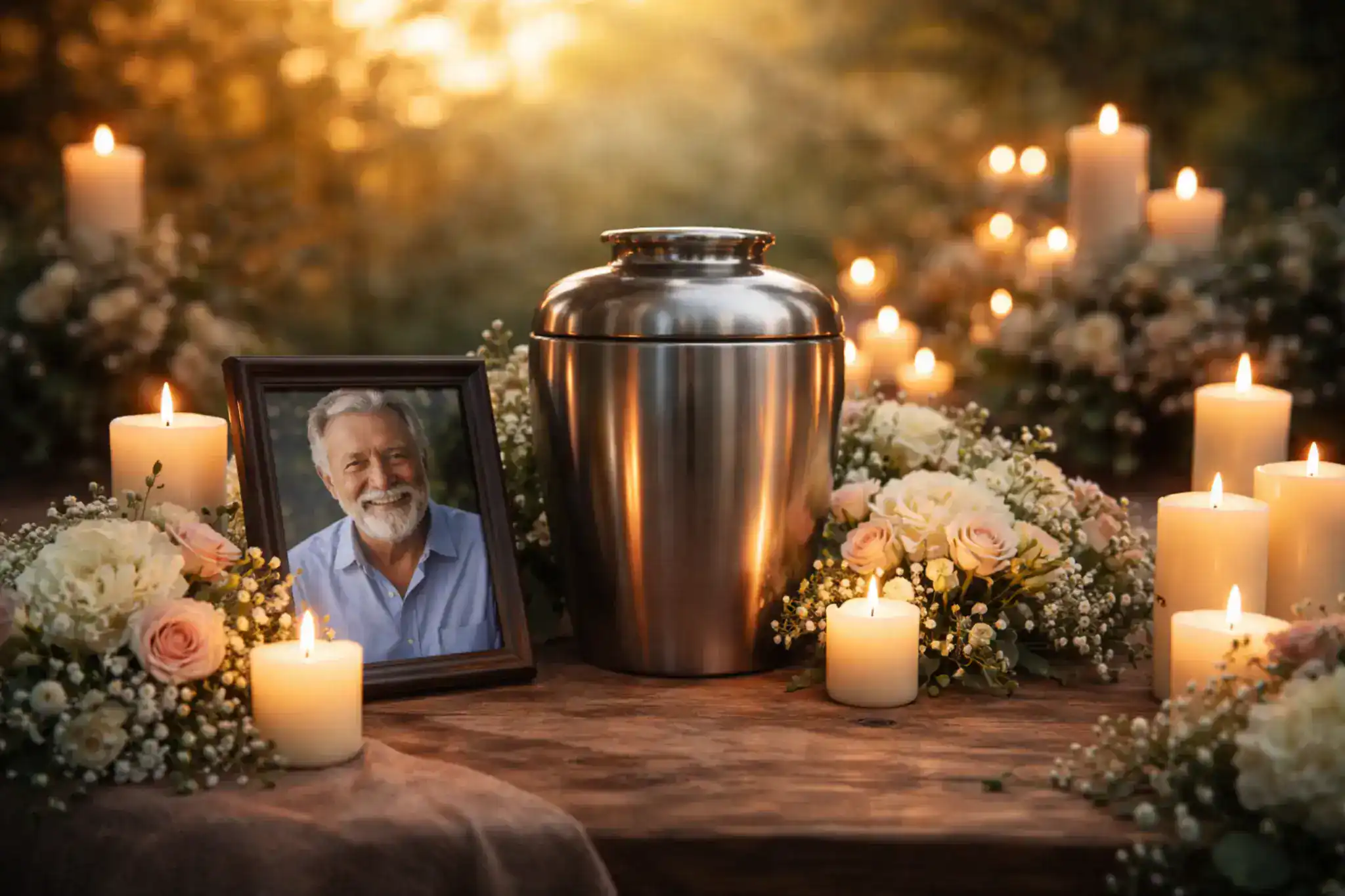
The memorial service will usually be held with the cremation urn present as a focal tribute to the deceased. However, memorial services are also held without the cremated remains present.
It is not as simple to provide an overview of the costs of cremation memorial services, as the ‘variable’ of the memorial service will dictate the final price. Much will depend on whether the funeral home and other ancillary services conduct the memorial service, such as the type of cremation urn selected, flowers, photographs, and other tribute materials.
Full-Service Cremation Funeral – This type of service is a full-service funeral, with the cremation conducted after the funeral. Some families want to hold a visitation, wake, or formal funeral ceremony, even if they choose cremation.
A viewing, visitation, or vigil can be held at the funeral home. Family and friends can gather for a funeral service, typically with the deceased present. Following the funeral ritual, the deceased is transferred to the crematory for cremation, and the cremation ashes are then returned to the family.
This type of cremation service is like a traditional funeral service, except the deceased is cremated after the ceremony and services, rather than being transferred to the cemetery for burial.
This option allows a family to have all the traditional funeral rituals without the additional expense of a cemetery plot. Or a family may have a cemetery plot where they wish to inter the cremated remains.
As a guide, the average price for a Full Service Cremation Funeral in Toronto is $4,000*.
Understanding average cremation costs in Toronto today?

Cremation service costs vary by type of service and provider, so quoting “average” costs can be difficult.
Summary – Cremation Options & Costs
- Cremation services have gained popularity as cremation offers a much more affordable death care alternative. Whether the cost is the driving factor, or for those families and individuals who want a simple, flexible, and more creative option.
- Direct cremation offers families an extremely cost-effective option to manage an immediate death or preplan for a simple cremation.
- Choosing cremation allows a family to personalize memorialization. There are many options for conducting a memorial service and creating memorial artifacts from cremated remains.
Direct cremation
Pros:
- Offers the most economical cremation option.
- Can eliminate many ancillary funeral expenses.
- Can be arranged without visiting the funeral home.
- It is easy to make arrangements from out-of-province & have cremated remains shipped to the family for a memorial service elsewhere.
- Allows for the disposition of a body to be handled in a quick yet dignified manner. And enable the family to postpone a funeral memorial service.
Cons:
- May require the family to submit online forms with the information needed to process the cremation. This often helps a direct cremation provider collate data and manage staff arrangement time/costs.
- The cremated remains are usually returned in a temporary cardboard container unless you choose to add a cremation urn to your direct cremation service package.
Cremation Memorial Service

Pros:
- A family can still gather for a ceremony, but since cremation is conducted first, the time frame for a memorial service is more flexible.
- Memorial services can be uniquely personalized, allowing the family to be creative in designing the service.
- Offers a more affordable funeral celebration or ritual.
Cons:
- As Memorial services, or a Life Celebration Memorial, can get quite creative, the ancillary costs for the memorialization can easily escalate.
Traditional Cremation Service

Pros:
- A funeral service is held at the time of passing and can help families to say goodbye.
- It will cost less than a traditional burial service.
- More funeral homes offer rental caskets for cremation services to help reduce casket costs.
Cons:
- As you are conducting a traditional service with the help of a funeral director, it can be easy to find that ancillary expenses can add up.
- A traditional cremation service is generally held fairly soon after the deceased passes. A direct cremation or cremation memorial can enable the family to defer the need for immediate services.
Massive Cremation Price Disparity in the GTA
Perhaps the most startling reality for families in Toronto, Mississauga, Brampton, and surrounding areas is the wide price range for this basic service. In our research and market observations, we have seen Direct Cremation prices range from $1,480 to over $4,500 for the exact same set of services.
Why is there a $3,000 difference for the same outcome?
It often comes down to overhead and business models. A large, traditional funeral home with a massive chapel, sprawling parking lot, and multiple viewing rooms has significant “carrying costs.” To maintain that facility, they must charge more for every service they offer, even the simplest ones. Conversely, “transfer services” or smaller, cremation-focused businesses may operate out of modest professional offices, allowing them to pass those savings directly to consumers.
The lesson for GTA families is clear: the first funeral home you call might be the most convenient, but it may also be the most expensive. It is perfectly acceptable—and highly recommended—to ask for a price list over the phone before committing to a provider.
The Myth of Corporate vs. Family-Owned Homes in GTA
There is a long-standing debate in the industry: Do corporate-owned funeral homes charge more than independent, family-owned ones?
In many cases, the “myth” holds a grain of truth. Large multinational corporations have acquired many of the historic funeral homes in the GTA. These corporations are often beholden to shareholders and boards of directors who demand high profit margins.
To meet these targets, corporate-owned homes often have higher “standard” fees and may train staff in “upselling” techniques—encouraging families to choose a more expensive urn or a “private family goodbye” that adds hundreds to the bill.
Independent, family-owned businesses are often (though not always) more flexible. Because they live and work in the same community as the families they serve, their reputation is their most valuable asset. They may be more willing to work within a tight budget or offer a “no-frills” price that corporate competitors simply won’t match.
However, don’t assume based on the name alone. Many corporate-owned homes keep the original family name on the sign to maintain a sense of local tradition. Always ask: “Is this home independently owned, or part of a larger network?”
What Can You Do with Cremation Ashes in Toronto?
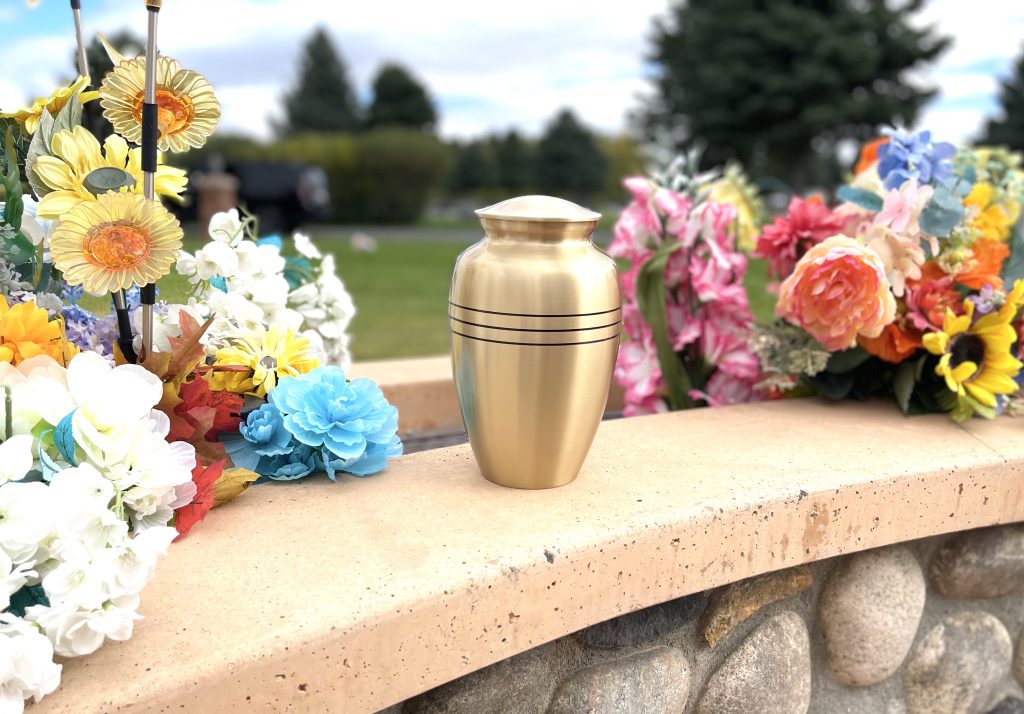
After a cremation service, a family has several options for what to do with the cremated remains. This may depend on their preferences and beliefs or the costs associated with cremation memorialization choices.
Listed below are the main options for you to consider:
1. Keep the ashes at home: Many families choose to keep the ashes in an urn or a special container at home. This allows them to create a comforting presence and keep their loved ones nearby. Some families even display the ashes in a special area or make a memorial space.
2. Bury the ashes: Families can choose to bury the ashes in a cemetery or a designated burial plot. This provides a more permanent resting place and allows for future visits and remembrance. Aside from cemetery burial plots, more cemeteries offer dedicated cremation columbarium niches and bespoke memorial scattering gardens. Some gardens provide small plaques or benches to create a long-lasting tribute.
3. Scatter the ashes: Scattering the ashes can be a meaningful way to honor the deceased’s memory. Ash scattering is now a popular choice for many families. Scattering cremation ashes can hold great symbolism for many people. It represents releasing and returning a loved one’s physical remains to the elements, freeing their spirit. Scattering ashes can symbolize letting go, saying goodbye, and allowing the deceased to become part of the natural world.

These are just a few suggestions, and the decision ultimately depends on the family’s wishes and cultural or religious practices. It may be helpful to consult a funeral director who can provide guidance and support.
Remember that there is no timeframe for when or how to memorialize a loved one. So, if you are unsure, do not make a rushed decision.
What Toronto Legislation Governs the Requirements for Cremation Arrangements?
It is important to know that as a consumer in Ontario, you are protected by the Funeral, Burial and Cremation Services Act (FBCSA), which is overseen by the Bereavement Authority of Ontario (BAO).
Ontario law is extremely strict regarding transparency. A funeral home must provide you with a full price list before you enter into any contract. They are prohibited from “tied selling” (forcing you to buy one service to get another) and must disclose any business relationships where they might receive a commission for a recommendation.
However, there is a critical distinction to understand: while Ontario law controls how funeral homes behave, it does not control what they charge. The government regulates ethics and paperwork, but the marketplace sets the price. This is why two funeral homes on the same street can have such wildly different price points. You are paying for the brand, the facility, and the level of perceived luxury, not a different “quality” of cremation.
The Bereavement Authority sets the requirements for cremation to ensure it is conducted safely and legally.
The main key points are:
Authorization: Before a cremation can occur, the person with the legal authority to decide on the deceased’s remains must provide written consent. This is generally referred to as the Cremation Certificate.
Permit for disposition: A permit for disposition of the body is required for cremation. This permit is issued by the local registrar or the province’s vital statistics office. The funeral home or crematory typically handles obtaining this permit.
Identification: Toronto law requires that the deceased be appropriately identified and tracked throughout the entire process of cremation. This helps ensure the correct remains are returned to the family.
Documentation: Detailed records must be maintained throughout the entire cremation process, including information about the deceased’s identity, the date and time of the cremation, and any medical devices or implants present.

Cremation container requirements: Toronto law does not require a casket for cremation. Families can use a simple container made of combustible materials, such as a cardboard casket, or an alternative container specifically designed for cremation. The choice of container may depend on personal preference or any specific requirements set by the funeral home or crematory.
Crematory requirements: Crematories must meet specific standards and obtain the necessary permits and licenses to operate legally in Toronto.
Disposition of remains: After the cremation, the cremains must be appropriately handled in accordance with the wishes of the deceased or their authorized representative.
It’s important to note that these requirements may vary slightly depending on the specific funeral home or crematory. It’s advisable to consult with a licensed funeral director or cremation provider to fully understand the legal requirements and procedures for cremation in Toronto.
Do you have to employ a funeral director for a direct cremation? Can the family deal directly with the crematory in Toronto?
Toronto does not require you to involve a licensed funeral director in making or carrying out final arrangements.
However, some crematories in Toronto require you to employ a funeral director to arrange cremation. If you don’t want to use a funeral director, you should make sure the crematory is willing to accept the body directly from the family.

If you choose not to use a funeral director to carry out final arrangements, you will need to complete and file the death certificate yourself.
How long does it take for a cremation in Toronto?
A mandatory wait period of 24-72 hours after death must pass before cremation can proceed. Completing the legally required paperwork usually takes at least 24 hours. So, it is fair to say that a cremation usually takes 3-7 days. (Longer if there are any issues with consent or issuing a death certificate)
The deceased will be refrigerated during this time. A direct cremation service package generally includes refrigeration for 10-14 days. If the funeral home must store the deceased for longer than expected, there may be an additional daily refrigeration fee.
The Cremation Process
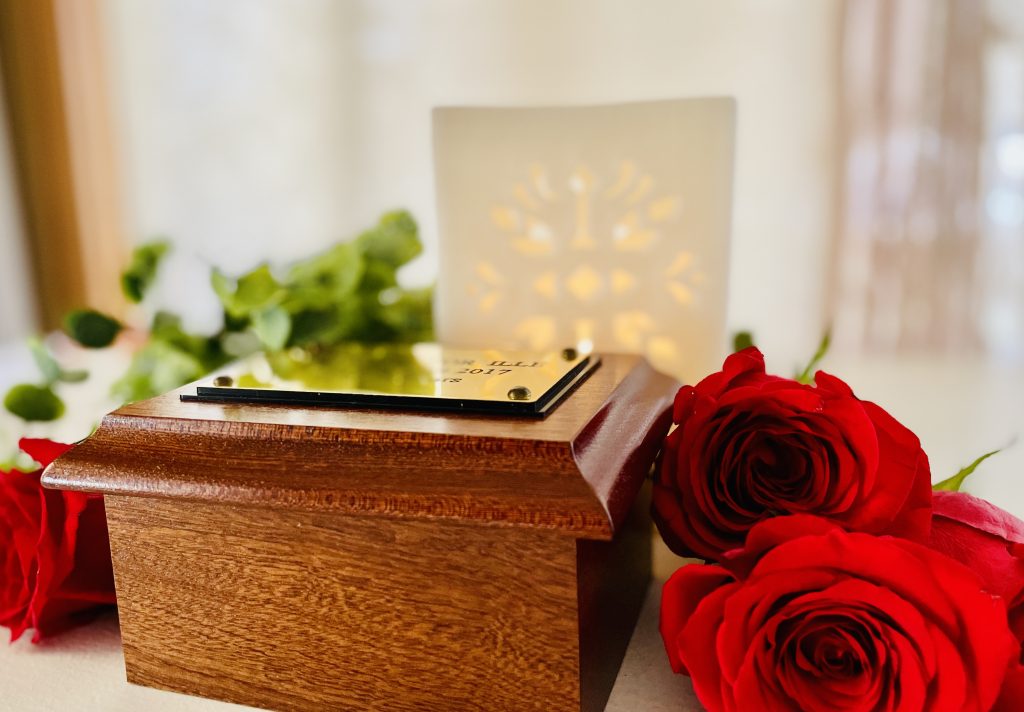
The body is placed in a cremation chamber, also known as a retort. The chamber is heated to a high temperature (typically around 1,600 to 2,000 degrees Fahrenheit) using flames, gases, or a combination of both. This process reduces the body to bone fragments, which are then further processed into cremated remains or ashes.
After the cremation process is complete and the remains have cooled, the ashes are carefully collected from the chamber. Any metal or other non-combustible items, such as surgical implants or jewelry, are removed from the ashes. The ashes are processed to ensure they are finely ground and free of any remaining fragments.
The processed cremation ashes are then placed in a temporary container or an urn, as chosen by the family or provided by the funeral home.
What is the least expensive cremation service?
Direct cremation is the least expensive option. It is when cremation is carried out without a service or ceremony. It is a simple, dignified cremation of the deceased with minimal fuss and at a minimal cost. In Toronto, a direct cremation costs $1,480 complete.
The cremated remains are returned to the next of kin after everything has been taken care of. A family can hold a memorial service when ready, if they wish, which can even be conducted at home for much less.
Direct cremation addresses the immediate need to arrange the deceased’s disposition. Still, it can also enable the family to defer the need for a memorial service or to craft their own bespoke, personalized ‘send off.’
Are there any additional fees for a low-cost cremation service package?

The service charge for a direct cremation is listed on the funeral provider’s General Price List. It should include the funeral director’s basic services, collection and transfer of the deceased, completion of the legal paperwork, and cremation.
It usually includes a simple cardboard cremation container and a temporary urn.
The funeral director will pay third-party fees to the local county to obtain the death certificate and pay for any permit charges. These fees are added to the direct cremation service fee.
The fee for a death certificate in Toronto is $15.00.
You may require more than one death certificate because you must send them to multiple institutions, organizations, or government offices simultaneously.
Most authoritative bodies that require evidence of death, such as a life insurance company, will require an original death certificate. Certified copies of a death certificate are usually available within ten days after the death.
Additional copies of a death certificate can be obtained from ServiceOntario.
There can also be additional charges if any of the following services are required:
- Residential collection
- Removal of a pacemaker
- Overweight surcharge (above 250 pounds)
- Family arrangement consultation
- Mailing of cremated remains
Reclaiming the Memorial Service: Your Options Following a Direct Cremation
Choosing an affordable direct cremation does not mean you are choosing a “lesser” goodbye. In fact, it often empowers families to create a more meaningful and personalized tribute. Once the cremation is complete and the remains are returned to you, the funeral home’s “rules” no longer apply. You are free to arrange your own memorial service or celebration of life.
1. Celebrations of Life in the Community
Instead of a somber funeral chapel, many GTA families are choosing to hold Life Celebration events at:
- Local community centres or Legions.
- A favorite restaurant or a private room in a pub.
- The deceased’s own backyard or a family home.
- A local park or golf course (with permits where necessary).
2. DIY Family-Led Memorial Services & Tributes
With a Direct Cremation, you can take your time. You aren’t forced to hold a service within three days of the death. You can wait weeks or months until the weather is nice, or until distant family members can travel. You can create your own slideshows, play the music your loved one actually liked, and host a “potluck” style gathering that feels like a true celebration of a life well-lived.
What about a “no-cost” cremation in Toronto?
What is sometimes called a “free” cremation or “no-cost” cremation is a whole-body donation. Once the donation is performed, the remains are cremated free of charge. However, in some cases, there are costs associated with transporting the deceased and obtaining death certificates.
Several national organizations offer an anatomical gift program through which you can donate your body to science for the benefit of future generations.
They arrange the collection of the deceased, medical donation, cremation of remains, and return of cremains to the family, usually at no charge. Several Universities and Medical Schools in Toronto also operate whole-body donation programs.
Canadian Memorial Chiropractic College, CMCC Department of Anatomy, Body Donation Program, 6100 Leslie Street, Toronto, ON M2H 3J1. 647-805-2042. [email protected]. Click here for more information.
Humber College Institute of Technology and Advanced Learning, Room M200, Faculty of Health Sciences & Wellness, Humber College Institute of Technology & Advanced Learning, 205 Humber College Blvd., Toronto, ON M9W 5L7. Click here for more information.
Do understand that an anatomical donation cannot always be accepted at the time of death? It can be affected by the needs of medical and research institutions and transportation services at the time.
Visit our Body Donation page to read more about this topic.
Is there any financial assistance with cremation costs in Toronto?

In Ontario, Canada, financial assistance for funeral expenses is available through several programs:
1. Canada Pension Plan (CPP) Death Benefit:
The CPP offers a one-time, lump-sum payment of $2,500 to a deceased contributor’s estate. To qualify, the deceased must have made sufficient CPP contributions. If no estate exists, the payment may be made to the person responsible for funeral expenses, the surviving spouse or common-law partner, or the next of kin.
2. Ontario Works Funeral Benefits:
Ontario Works assists individuals with limited financial resources in covering basic funeral and burial costs. This program ensures that deceased individuals receive a dignified funeral when their estate lacks sufficient funds. Eligibility and the amount of assistance vary, and it’s essential to contact your local Ontario Works office before making funeral arrangements, as services must be authorized in advance.
3. Ontario Disability Support Program (ODSP):
Like Ontario Works, the ODSP offers financial support for funeral expenses for eligible individuals with disabilities. The assistance covers essential funeral costs; eligibility is determined based on the deceased’s financial situation. As with Ontario Works, obtaining authorization from the ODSP before proceeding with funeral arrangements is crucial.
Essential Points to Consider For Assistance Programs:
Pre-Authorization: Both Ontario Works and ODSP require that funeral services be authorized before any contracts are signed with funeral homes or cemeteries.
Estate Recovery: These programs may seek to recover funeral costs from any assets in the deceased’s estate.
Additional Resources: The ‘Last Post Fund’ provides financial assistance to veterans to ensure a dignified funeral and burial. Eligibility is based on service and financial criteria.
Given these programs’ complexities and varying eligibility criteria, it’s advisable to consult directly with the respective agencies or a funeral director experienced in navigating these assistance options.
Click here for more information.
What happens if I cannot pay for a cremation in Toronto?
As covered above, there are government programs that the family can explore if the deceased and the surviving family are eligible. The responsibility to pay the funeral bill falls to the immediate next of kin if the deceased had no pre-paid funeral plan or life insurance.
This can be very stressful if you lose a family member and become responsible for the funeral arrangements without any resources.
Social Services Department – Toronto (Health & Social Programs)
What happens if the deceased is taken into the care of the Coroner in Toronto?

If the deceased is at the coroner’s office, you must arrange for a funeral director to collect the body when the coroner signs the release form. You must authorize the funeral director to collect your loved one and transfer him or her into their care.
Most funeral directors regularly deal with the coroner’s office, and the ME issues the authorization and permit to cremate, which can make the arrangements more straightforward. For this reason, some funeral homes can offer a budget direct cremation when handling remains from the Medical Examiner.
Chief Coroner & Forensic Pathology Service – Toronto (Death Records & Certificates)
How to Make a Complaint if You Are Dissatisfied with a Cremation Service Provider
If you had a bad experience with a cremation service in Toronto, you must notify the correct licensing and legal authorities. This way, appropriate action can be taken, and other consumers can be protected. Below, we have detailed some steps for registering a complaint.
1. Gather information: Firstly, ensure you have all the necessary details about the cremation provider, such as their name, address, and contact information. Additionally, note down the specifics of your complaint and any supporting documentation you may have.
2. Contact the provider: Start by contacting the cremation provider directly. Explain your concerns and see if they can satisfactorily address and resolve the issue. If they are unresponsive or you are not satisfied with their response, proceed to the next step.
3. File a complaint with the Bereavement Authority of Toronto: The Bereavement Authority oversees funeral and cremation services. You can write a complaint to the Toronto Board at 100 Sheppard Ave East, Suite 505, Toronto, ON M2N 6N5.
4. File a complaint with the Minister of Justice and Attorney General of Canada: Another option is to contact the Attorney General’s Office. Online complaints can be submitted here.
Ministry of the Attorney General, McMurtry-Scott Building, 720 Bay Street, 11th floor, Toronto, Ontario M7A 2S9. [email protected]. (416) 326-2220
4. Seek legal advice: If the issue remains unresolved or you feel further action should be taken, you might consider consulting with an attorney specializing in funeral law or consumer protection. They can provide legal guidance and help explore your options for further action.
Please contact us if you have further questions about cremation services or costs in Toronto that we have not answered. We are here to assist you.