A green funeral — also known as a natural burial — is a form of burial conducted with minimal environmental impact. Unlike a conventional burial, no embalming chemicals are used, the burial container must be fully biodegradable, and no concrete burial vault is placed in the ground. The grave itself is a simple earth plot, returning the body directly to the natural soil.
Natural burial grounds are increasingly being designated as conservation areas, where the act of burial itself actively supports the restoration of native ecosystems, woodland, and meadow habitats.
What Makes a Burial ‘Green’?
To qualify as a green or natural burial, the following conditions are typically required:
- No embalming — the body is not treated with chemical preservatives
- Biodegradable burial container — a coffin of wood, bamboo, wicker, or cardboard, or a simple burial shroud of natural fabric
- No burial vault or liner — concrete vaults, which are standard in conventional burials, are not used
- Simple grave — a natural earth grave without a concrete surround
- Natural grave markers only (where permitted) — a locally-sourced stone, organic marker, or GPS coordinate, rather than a conventional headstone
How Much Does a Green Burial Cost in Canada?
One of the significant advantages of a natural burial is cost. By eliminating several of the most expensive elements of a conventional funeral — the casket, vault, embalming, and headstone — families can arrange a dignified burial at a fraction of the cost of a traditional service.
| Cost Element | Green Burial | Traditional Burial |
|---|---|---|
| Embalming | Not required | $300–$800 |
| Casket / Container | $100–$1,500 (biodegradable) | $2,000–$10,000+ |
| Burial vault | Not required | $1,000–$3,000 |
| Cemetery plot | $1,500–$3,500 | $3,000–$8,000+ |
| Headstone / Marker | Small natural stone or none | $1,500–$5,000+ |
| Funeral home service fee | $800–$2,000 | $2,000–$5,000+ |
| Estimated total range | $3,000–$6,000 | $9,000–$20,000+ |
Costs vary significantly by province and individual cemetery. The above ranges are estimates for 2025–2026. Always obtain itemized pricing from your chosen provider.
Green Burial Costs by Province (2026)
| Province / Region | Estimated Natural Burial Plot Cost |
|---|---|
| British Columbia | $2,500–$5,000 |
| Alberta | $1,800–$4,000 |
| Ontario | $2,000–$4,500 |
| Quebec | $1,500–$3,500 |
| Manitoba | $1,200–$3,000 |
| Saskatchewan | $1,000–$2,800 |
| Atlantic Provinces | $800–$2,500 |
These figures represent only cemetery plot costs. Add funeral home transport and service fees to reach the total cost.
For a comparison of cremation costs across Canada, see our Cremation Costs in Canada 2026 guide.
How Do I Find a Natural Burial Site in Canada?
Most green burial sites in Canada are hybrid green cemeteries — established traditional cemeteries that have dedicated sections for natural burials. A smaller number are dedicated natural burial conservation grounds.
- Hybrid green cemeteries: the most widely available option across most provinces
- Dedicated natural burial grounds: fewer in number but growing — the first opened in Victoria, BC in 2008
- Conservation burial grounds: burial sites tied to active land conservation projects
Green Burial vs Aquamation vs Traditional Cremation
| Option | Environmental Impact | Approximate Cost |
|---|---|---|
| Natural / Green Burial | Lowest — no chemicals, no fuel, body nourishes soil | $3,000–$6,000 |
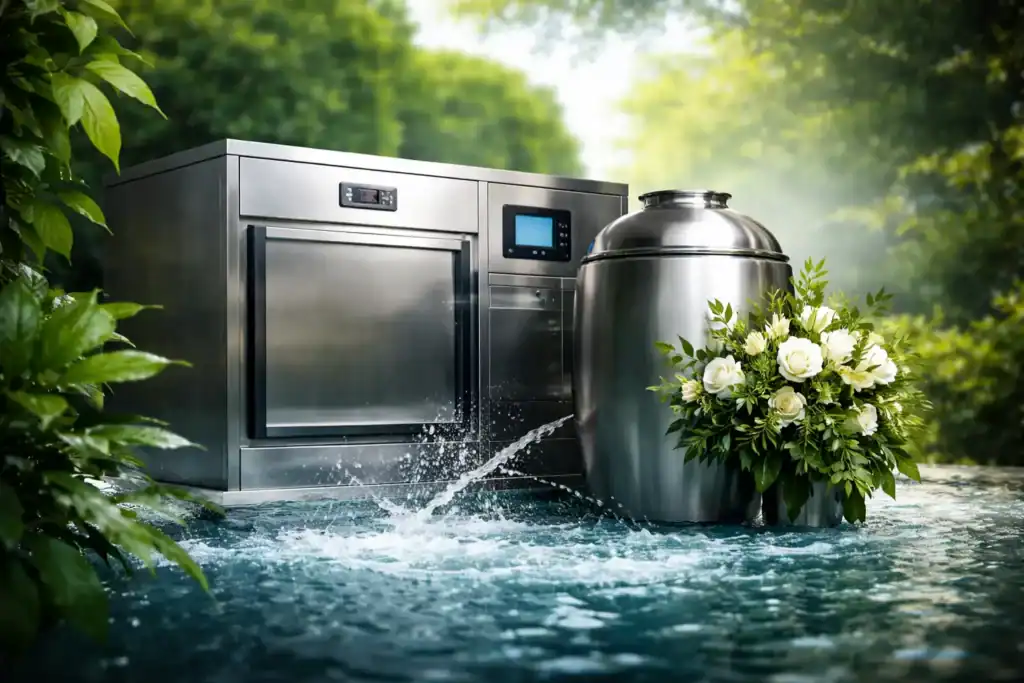
| Aquamation (Alkaline Hydrolysis) | Very low — 90% less energy than flame cremation, no air emissions | $1,800–$4,500 |
| Direct Flame Cremation | Moderate — uses gas, produces emissions | $700–$2,500 |
| Traditional Burial | Highest — embalming chemicals, concrete vault, energy-intensive headstone | $9,000–$20,000+ |
Learn more about aquamation as an eco-friendly cremation alternative.
Can a Natural Burial Be Conducted on Private Land?
This depends on provincial legislation. In Ontario, human remains must be interred in a licensed cemetery. Other provinces have varying rules. If home burial is important to you, consult with your provincial vital statistics or health authority for the specific rules in your area.
Eco-Friendly Coffin and Shroud Options
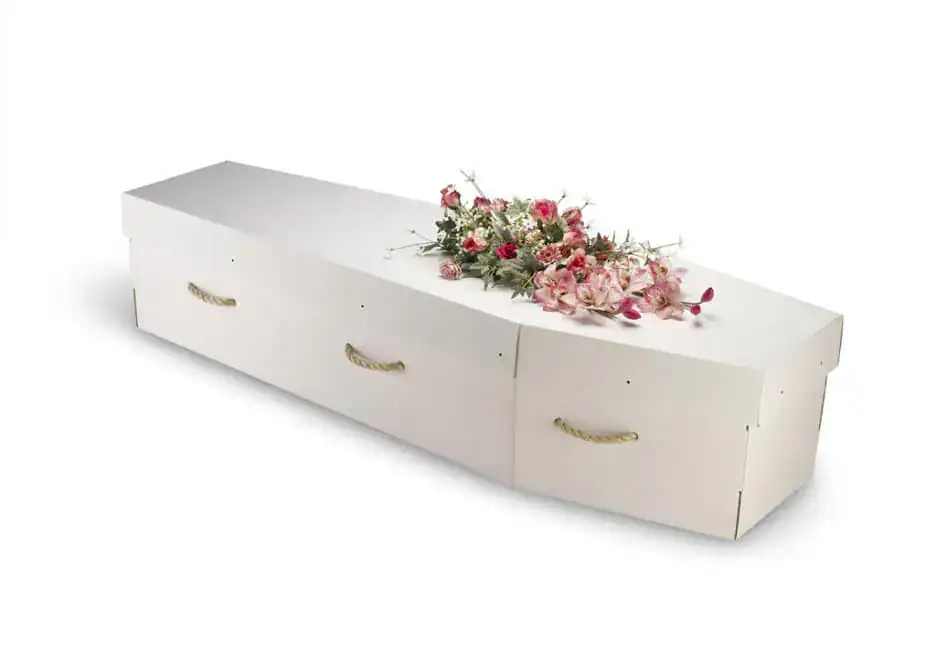
For a natural burial, the burial container must be fully biodegradable. Options include:
- Wicker or woven willow coffins
- Untreated solid wood coffins (pine, poplar, or locally sourced timber)
- Bamboo coffins
- Cardboard coffins
- Natural fabric burial shrouds — linen, cotton, muslin, or wool
Choosing a Funeral Home for a Green Burial
Not all funeral homes have experience in natural burial. When researching providers, ask specifically:
- Do you have experience arranging natural or green burials?
- Can you source or accept biodegradable burial containers?
- Are you familiar with the natural burial sites available in this area?
- Do you offer home care or family-led preparation of the deceased?
Green Burial Organizations in Canada
- The Green Burial Society of Canada
- Natural Burial Association (Ontario)
- Canadian Integrative Network for Death Education and Alternatives (CINDEA)
- Memorial Society of British Columbia
- Ecology Action Canada
Frequently Asked Questions
Green burial is legal in all Canadian provinces. However, regulations vary around what constitutes a licensed burial site, what containers are required, and how quickly burial must occur. Always verify the specific rules with your chosen cemetery and provincial health authority.
This depends on provincial legislation. In Ontario, human remains must be interred in a licensed cemetery. Other provinces have varying rules. Consult your provincial vital statistics or health authority for the specific rules in your area.
Since embalming is not used, the burial generally needs to take place within a few days of death. Refrigerated storage at a funeral home is an option if more time is needed. Dry ice can extend the window to 5-7 days, depending on conditions.
Not necessarily. While a green burial eliminates many costs of a traditional funeral, the cemetery plot itself can cost $1,500 to $5,000. A direct cremation can cost as little as $700 or as much as $2,000. A green burial is typically less expensive than a traditional burial but more expensive than direct cremation.
Yes. Established green burial cemeteries are equipped to manage year-round burials, though winter burials require specialised equipment to break frozen ground.
Yes, family members can carry the coffin or shroud, help lower the deceased into the grave, and participate in filling the grave. Contact the cemetery in advance to understand what participation is permitted.