After a cremation, families face a question that is both practical and deeply personal: what do we do with the ashes? There is no single right answer — and in Canada, families have more options than many realize. From interring cremated remains in a columbarium at a cemetery to scattering them in a meaningful natural location, to keeping them at home or having them transformed into unique memorial keepsakes, the choices reflect an increasingly personal approach to remembrance. This guide walks you through each option, including costs, legal considerations, and other factors to consider.
Option 1: Columbarium Niche
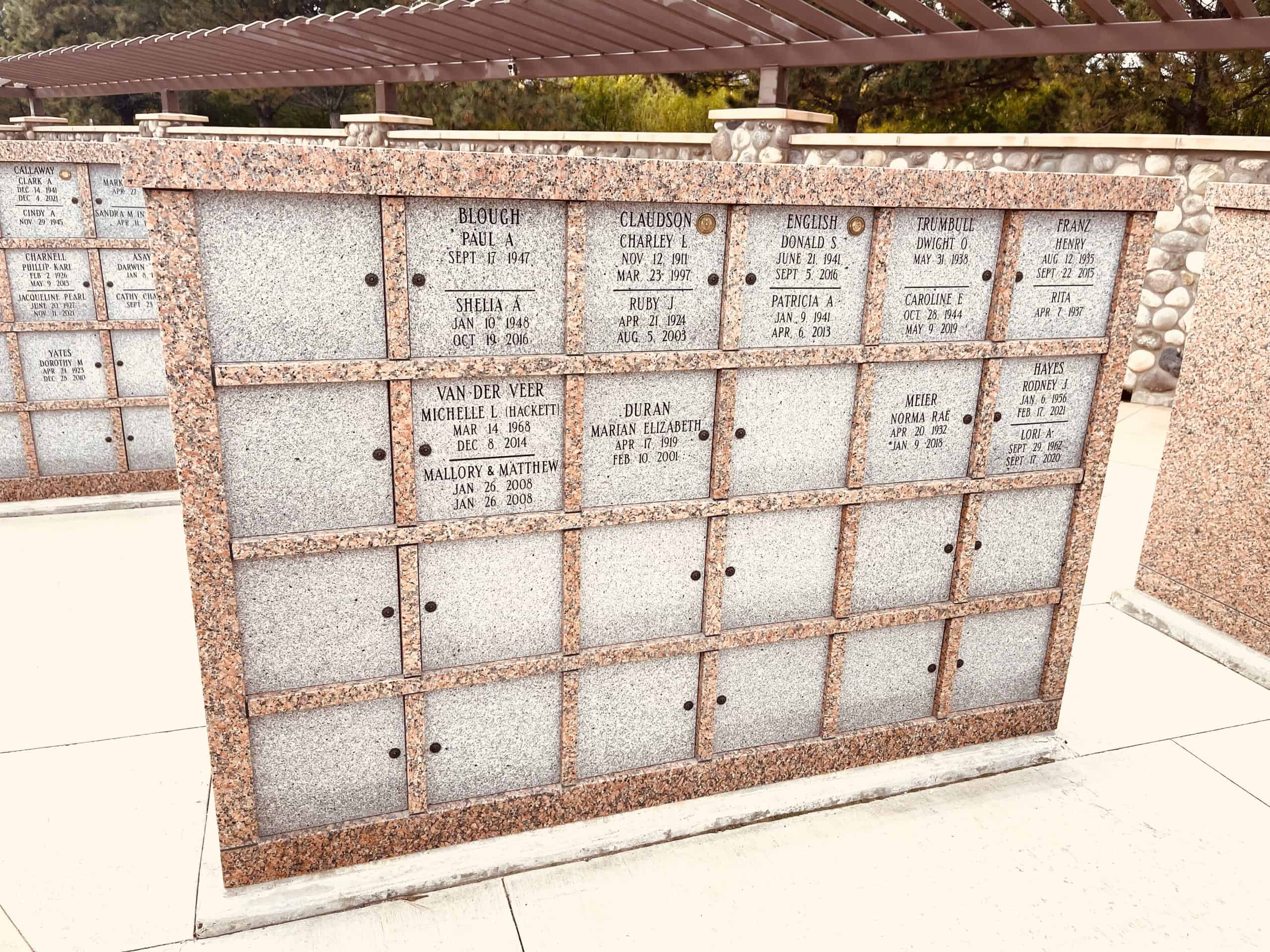
A columbarium is a structure — often housed in a cemetery, church, or memorial park — containing individual niches for urns, each sealed. It provides a permanent, visitable memorial location.
Columbaria offer a sense of permanence and a dedicated place for family and friends to visit. Many are located within existing cemetery grounds, providing an established, maintained setting.
Costs for a columbarium niche in Canada typically range from $1,500 to $5,000 or more, depending on the location, size, and whether it is an indoor or outdoor setting. Annual maintenance fees may also apply.
Option 2: Scattering Garden
Many Canadian cemeteries now offer designated scattering gardens — peaceful, often beautifully landscaped areas where cremated remains can be scattered and the location recorded. A communal memorial marker may mark the entire garden.
Scattering gardens offer a natural setting for remains without requiring ongoing plot maintenance or the purchase of an urn niche. They are typically less expensive than a columbarium niche.
Fees for scattering in a cemetery scattering garden generally range from $200 to $800. Some cemeteries offer the option to have the individual’s name inscribed on a communal memorial marker for an additional fee.
Option 3: Scattering Ashes in Nature
Scattering ashes in a natural location — a favourite beach, forest, lake, or mountain — is a deeply meaningful option for many Canadian families. Regulations governing ash scattering in Canada vary by province and location.
In general, scattering on private land requires the landowner’s permission. Scattering on public lands, national parks, and marine areas is regulated by the relevant authority — Transport Canada governs scattering at sea, while provincial and national parks have their own guidelines.
Always confirm local regulations before scattering. In most cases, scattering in natural environments is permitted with minimal restriction, but it is important to verify the rules for your intended location.
Drone ash scattering is an emerging option that allows families to scatter ashes from above — a particularly meaningful choice for those who want to release remains over otherwise inaccessible terrain.
Option 4: Keeping Ashes at Home
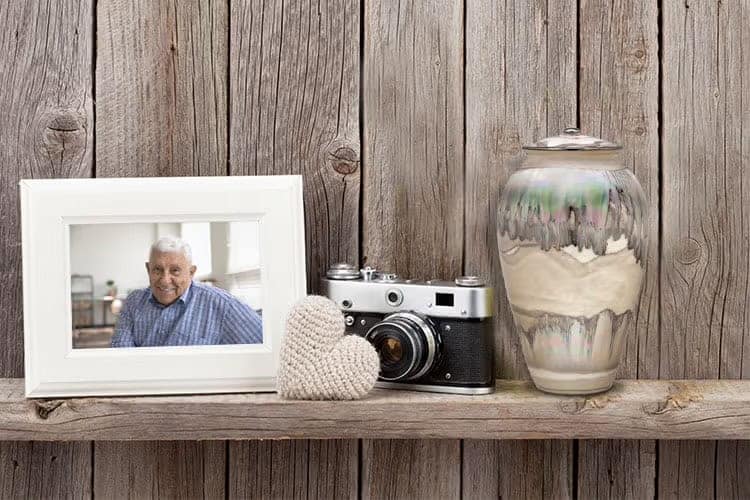
There is no legal requirement in Canada to inter or scatter cremated remains. Families may keep ashes at home in an urn indefinitely. This is a common choice for those who are not yet ready to part with the remains, or who want to keep a loved one close.
A wide range of urns are available — from simple wooden or metal containers to beautifully crafted ceramic, glass, or biodegradable options. Prices range from under $100 for a basic container to over $1,000 for a handcrafted artisan urn.
Some families divide the cremated remains between multiple family members, each keeping a small portion in a keepsake urn or memorial jewellery.
Option 5: Memorial Keepsakes and Creative Tributes
A growing number of services allow cremated remains to be incorporated into unique memorial keepsakes.
- Memorial jewellery: A small amount of ash is incorporated into a glass bead, crystal, or compressed gemstone that can be worn as a pendant or ring
- Memorial diamonds: Cremated remains are subjected to extreme heat and pressure to create a synthetic diamond
- Reef balls: Remains are mixed with concrete and deployed as artificial reef structures in the ocean — available through approved marine memorial companies
- Biodegradable urns with seeds: Remains are placed in a biodegradable urn with tree seeds, which is planted and grows into a living memorial tree
For more on planning a meaningful tribute, see our guide to holding your own memorial service after direct cremation.
Frequently Asked Questions
Is it legal to keep ashes at home in Canada?
Yes. There are no provincial laws in Canada prohibiting families from keeping cremated remains at home. The ashes may be kept indefinitely.
Can I scatter ashes in a lake or river in Canada?
In most cases, yes, though Transport Canada regulations apply to scattering at sea, and provincial parks have their own guidelines. For freshwater scattering, it is advisable to check with provincial environmental authorities for any local restrictions.
Can I take cremated remains on a plane in Canada?
Yes. Most airlines allow cremated remains in carry-on luggage, provided they are in a container that can be X-rayed (usually non-metal). It is advisable to carry a copy of the death certificate and cremation certificate when travelling.
Can I bury cremated remains in my garden?
In most Canadian provinces, burying cremated remains on private property is permitted, though burying a body requires a licensed cemetery. Always check with your local municipality for any specific bylaws.
What happens to ashes if they are not collected from the funeral home?
Funeral homes have legal obligations regarding uncollected cremated remains. Most will attempt to contact the family over an extended period. If the remains are not claimed, the funeral home may inter them in a common grave at a cemetery, in accordance with provincial regulations.